


Form I-212: Permission to Reapply for Admission After Deportation or Removal
A prior deportation, removal order, expedited removal, or unlawful return to the United States can create serious immigration consequences. In some cases, a person cannot lawfully return to the United States unless the U.S. government first grants permission to reapply for admission.
This request is made using Form I-212, Application for Permission to Reapply for Admission into the United States After Deportation or Removal. USCIS explains that Form I-212 is used by certain people who are inadmissible under INA § 212(a)(9)(A) or INA § 212(a)(9)(C) to ask for consent to reapply for admission.

What Is Form I-212?
Form I-212 is not a visa application and does not guarantee entry into the United States. Instead, it asks the government for permission to apply for admission again after a prior immigration violation involving removal, deportation, or certain unlawful entries.
This is sometimes called:
-
Permission to reapply
-
Consent to reapply
-
I-212 waiver
-
Reentry after removal permission
Even if Form I-212 is approved, a person may still need a visa, green card, waiver, or other immigration benefit.
When Is Form I-212 Needed?
Form I-212 may be required if you were previously:
-
Ordered removed from the United States
-
Deported
-
Subject to expedited removal at the border or airport
-
Removed after immigration court proceedings
-
Removed and later attempted to return
-
Unlawfully present for more than one year and then entered or attempted to enter without admission or parole
The exact rule depends on the immigration history, the type of removal order, how long the person has been outside the United States, and whether INA § 212(a)(9)(A) or INA § 212(a)(9)(C) applies.
Why Form I-212 Cases Are Complicated
Form I-212 cases require careful review because the consequences can be severe. Some applicants may be subject to a 5-year, 10-year, 20-year, or permanent bar depending on the facts of the case. Some people may not be eligible to file Form I-212 until they have remained outside the United States for the required period.
USCIS filing location and procedure can also vary depending on whether the person is applying through USCIS, a U.S. consulate, or Customs and Border Protection. USCIS maintains separate direct filing address guidance for Form I-212.
Form I-212 and the Permanent Bar
One of the most serious issues involves INA § 212(a)(9)(C), often called the “permanent bar.” This may apply when someone unlawfully returns or attempts to return to the United States after certain prior immigration violations.
For many people subject to this ground, Form I-212 cannot be filed from inside the United States, and permission to reapply may not be available until the person has spent the required time outside the country. The Form I-212 instructions warn that returning unlawfully before obtaining required consent can create serious immigration consequences.
What Evidence Can Help a Form I-212 Application?
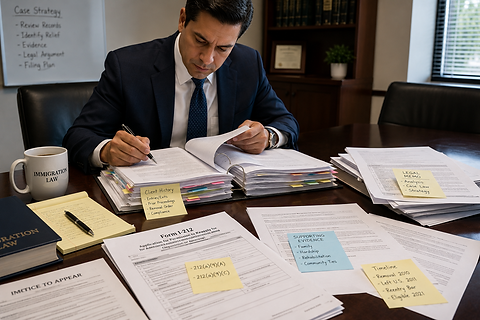
A strong Form I-212 application should usually explain both the immigration history and the reasons the government should grant permission to reapply. Evidence may include:
-
Family ties in the United States
-
Hardship to U.S. citizen or lawful permanent resident relatives
-
Length of time outside the United States
-
Rehabilitation and good moral character
-
Employment history
-
Community ties
-
Medical, financial, or emotional hardship
-
Proof of respect for immigration laws since departure
-
Documentation explaining the circumstances of the prior removal or unlawful entry
Every case is different. The best evidence depends on the person’s full immigration record.
Form I-212 vs. Form I-601
Form I-212 only addresses permission to reapply after deportation, removal, or certain unlawful entries. It does not waive every ground of inadmissibility.
Some applicants also need Form I-601, Application for Waiver of Grounds of Inadmissibility, if they have separate issues such as unlawful presence, fraud or misrepresentation, criminal history, or certain medical grounds.
In some cases, Form I-212 and Form I-601 may both be needed.

How Our Office Can Help
Our office can help by reviewing your immigration history, prior removal documents, visa history, entries and exits, and any prior filings to determine whether Form I-212 is needed and whether other waivers may also be required.
We can assist with:
-
Determining whether Form I-212 applies
-
Reviewing prior removal or deportation records
-
Identifying possible permanent bar issues
-
Preparing the legal argument
-
Organizing supporting evidence
-
Coordinating Form I-212 with consular processing, adjustment of status, or waiver filings
-
Helping families understand the risks before filing

Frequently Asked Questions About Form I-212
Is Form I-212 a waiver?
It is often called an I-212 waiver, but technically it is an application for permission to reapply for admission after deportation or removal.
Does Form I-212 let me return to the United States?
Not by itself. Approval gives permission to reapply for admission, but you may still need a visa, green card, waiver, or other immigration approval.
Can I file Form I-212 from inside the United States?
Sometimes, but not always. Some applicants, especially those with possible INA § 212(a)(9)(C) issues, may not be eligible to file from inside the United States.
Do I need Form I-601 too?
Possibly. Form I-212 addresses certain removal-related grounds. If there are other inadmissibility issues, a separate waiver may be required.
Should I file Form I-212 before leaving the United States?
This depends on the case. Leaving the United States can trigger serious consequences, so you should speak with an immigration attorney before making travel plans.